

Taylor Bourassa-Wilson, RP, DTATI
Ottawa, ON
Taylor Bourassa-Wilson is a Registered Psychotherapist and art therapist with a private practice, Wellness Grove Therapy. She incorporates the environment into her practice through the use of natural materials, meditative practices that centre the earth, inviting the natural environment into sessions as a co-facilitator, and sharing the primordial knowledge the earth provides.
Nature’s Way is a regular column by Envisage writer Taylor Bourassa-Wilson, exploring eco-art therapy techniques to incorporate into therapeutic practices, and invites us to practice ways of interacting with, befriending, and enhancing our relationship with the earth.
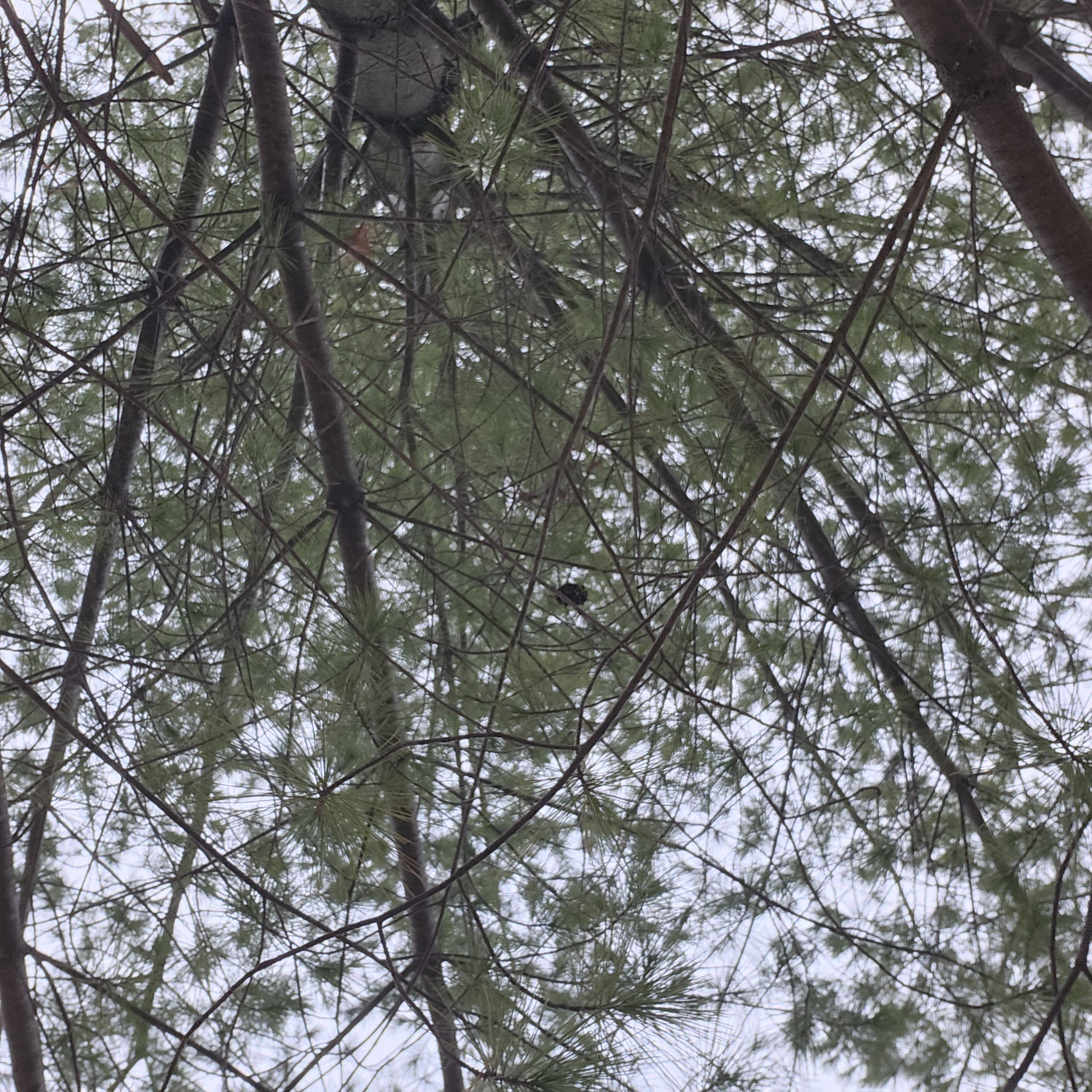
Skybreath, photograph, 2025.
Eco-emotions are the emotions we feel related to ecological issues: the climate crisis, natural disasters, loss of home or place due to colonialism, rapid over-consumption and capitalism, and displacement and potential medical/health related issues due to eco-racism. These are vast and multi-dimensional, and can include: eco-grief, eco-anxiety and solastalgia, which are the three most identified responses, but can also include experiences such as eco-guilt, eco-paralysis, and eco-rexia. I will briefly define each of these terms for readers to give you some context before providing you with an invitation for holding, honouring, and processing some of these feelings.
I want to be clear that these emotions might always be present in your life because you will always be interacting with nature in some capacity. Often the onus is placed on the individual when “dealing with” or “confronting” these emotions (and the burden of personal responsibility for caretaking the environment). I do not want to reinforce these ideas. Experiencing eco-emotions is natural (how could they not be?), and these emotions are not caused by personal wrongdoing (Zoest, 2025).
Eco-anxiety: Extreme worry about current and future harm to the environment, caused by human activity and climate change (Oxford dictionary, 2025). It could be labelled as a sense of dread experienced through the witnessing of devastating environmental news, as hearing about, witnessing, and experiencing natural disasters can breed a sense of doom.
Eco-grief: An embodiment of more-than-human bereavement in direct response to witnessing and experiencing a loss of species, ecosystems, and meaningful landscapes due to acute or chronic environmental change (Borovica et al., 2025). Iften framed as internal and psychological human phenomena that can create a separation between self and the more-than-human world, Verile (2021) states that seeing eco-grief in this way can lead to a disembodied abstraction, disregarding the impacts of eco-grief, potentially leading to climate apathy and inaction.
Solastalgia: The distress from environmental changes that directly impact one’s sense of place and identity. Think of this as nostalgia for what once was, and can never be returned to again.
Eco-guilt: This occurs when you violate your own environmental standards (Zoest, 2025). Again, this relates to the personal responsibility that is often perpetuated and placed on the individual. Reduce, reuse, recycle, until something gets in the way of that being a possibility (for whatever reason) and a sense of guilt washes over you because you, personally, are to blame for the destruction of the environment. (This last phrase is sarcasm. Massive corporations and their blatant disregard for nature in order to 1. exploit resources 2. colonize landscapes 3. make profit, and 4. perpetuate eco-racism are the biggest offenders). What we saw happen in the Democratic Republic of Congo is an example of eco-racism (Kelly, 2019).
Eco-rexia: Obsessive sustainability practices/efforts (closely related to eco-guilt and the experience of “not doing enough” or “doing the right thing”) (Zoest, 2025).
Eco-paralysis: Feelings of hopelessness and apathy related to environmental issues and environmental justice (Zoest, 2025).
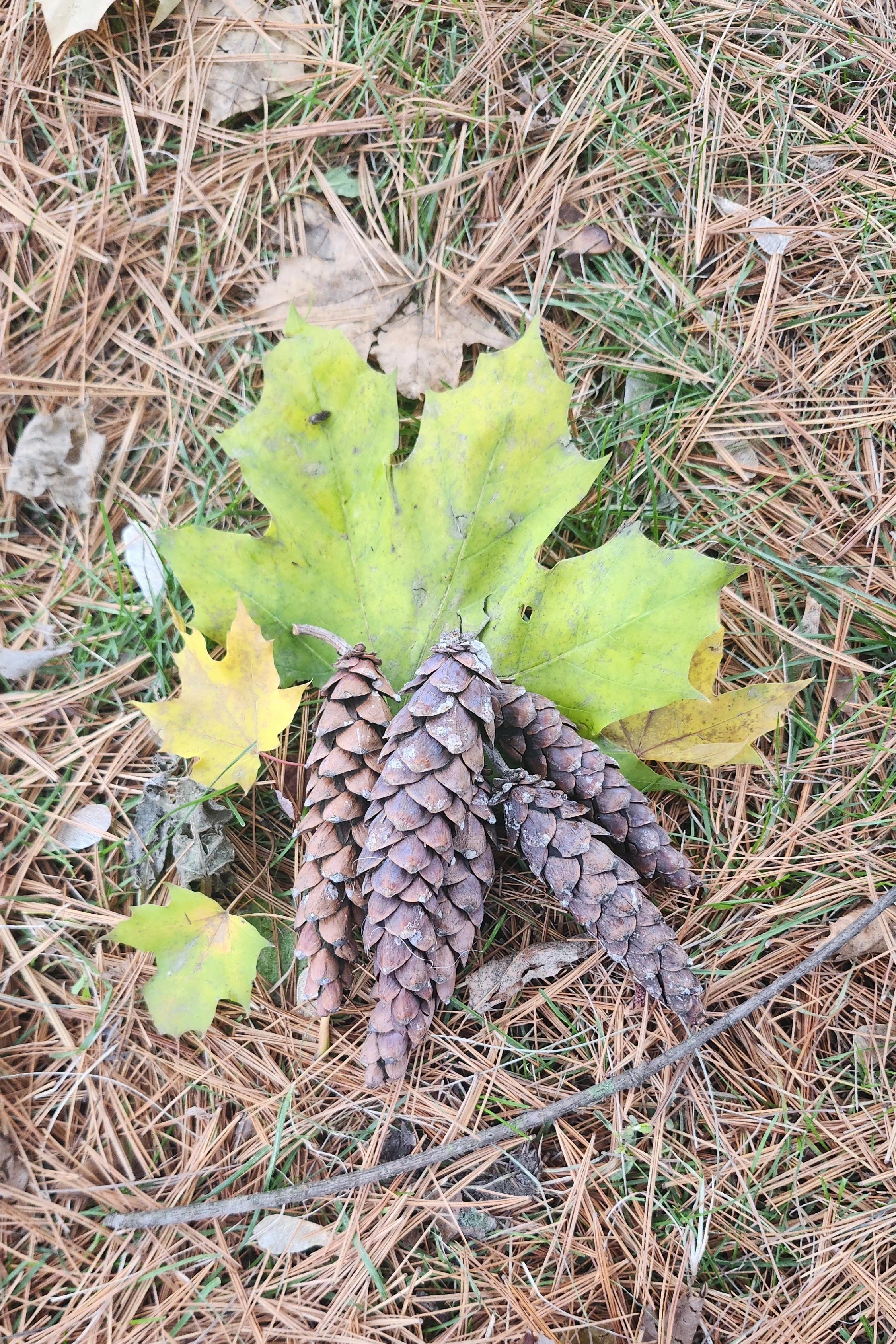
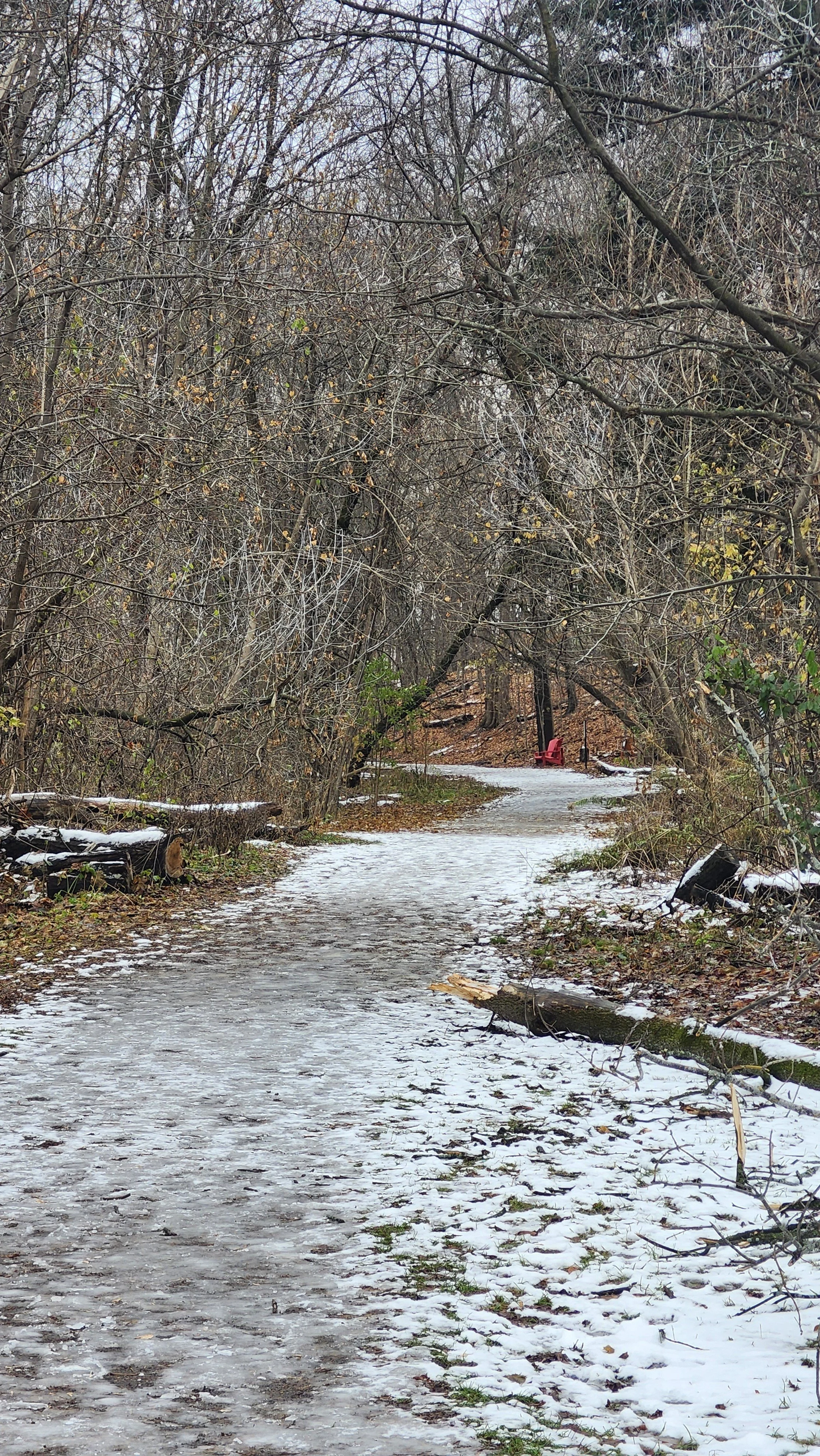
Holding your emotions
Find a place in nature to venture into: this may be a new place or a familiar haunt. Whichever it is, set aside 30 minutes to an hour to spend and acquaint yourself with the place. If you are already familiar with this place, approach it with curiosity, noticing any differences or changes from the last time you visited. Be with the space, feel the air, feel the ground under your feet, notice the animals sharing the space with you, hear their voices, and watch how they move through the world. How do they interact with each other? With you? With the plants and passersby?
Sit down in this place, preferably directly on the ground and near a tree. If you fear dirtying your clothes, you can bring a soft blanket with you so you can still feel the support of the Earth under your body. Feel the weight of your body melt into the Earth and notice how the ground does not shift or give, but it responds to your presence in an accepting and accommodating way. Sit with the feelings that arise with this noticing.
Close your eyes and breathe. Let your breath meld with the air around you, and feel the expansiveness of your lungs match the expansiveness of the sky above. Do you have a message for the place you’re in? Share it out loud: use your voice to be with the world around you. If you prefer, you can hold it internally and meditate on these words.
Feel the ground with your hands, notice the temperature, the texture, the sensations and emotions responding to it. Do the same with the trunk of the tree you’re near. Notice, again, if there are any thoughts or messages arising for you. Is there something you wish to share with the space you’re in?
And finally, using the natural materials available to you, share a message with the place you’re in through art. A non-verbal message to be left behind. Is this a message of solidarity? Of hope? Of sorrow? Of apology? What intentions are you leaving the space with? How can you carry these intentions forward and honour the place you find yourself in?
Once you find your way back home and you find time to reflect, you can revisit the emotions that arose for you in your natural landscape, and give shape to them through art. Paint, draw, sculpt: whatever your preferred container, hold those emotions again, in a new shape, in a new light. Do not run away from these emotions, no matter how hard. They deserve to be honoured, held, and witnessed, just as the Earth deserves the same from all of us.
References
Borovica, T., Leong, J., Rae, J. & Hjorth, L. (2025). Ecological Grief, Hope, and Creative Forms of Resilience: A Creative Practice Approach. Open cultural studies, De Gruyter. https://doi.org/10.1515/culture-2025-0069
Eco-anxiety. eco-anxiety noun - Definition, pictures, pronunciation and usage notes | Oxford Advanced Learner's Dictionary at OxfordLearnersDictionaries.com. (2025). Retrieved October 18 2025, from https://www.oxfordlearnersdictionaries.com/us/definition/english/eco-anxiety
Kelly, A. (2019, December 16). Apple and Google named in US lawsuit over Congolese child cobalt mining deaths. The Guardian. https://www.theguardian.com/global-development/2019/dec/16/apple-and-google-named-in-us-lawsuit-over-congolese-child-cobalt-mining-deaths
Verlie, B. (2021). Learning to live with climate change: From anxiety to transformation. Taylor and Francis.
Zoest, S, V. (2025). The therapeutic effects of eco-artmaking on (emerging) environmental professionals. Science for Sustainability Journal, Vol. 8,1-19.